Runebook Journal
Stories, Guides & Ideas from Runebook
Guides, ideas, and notes from the team building the AI story game where you’re the main character.
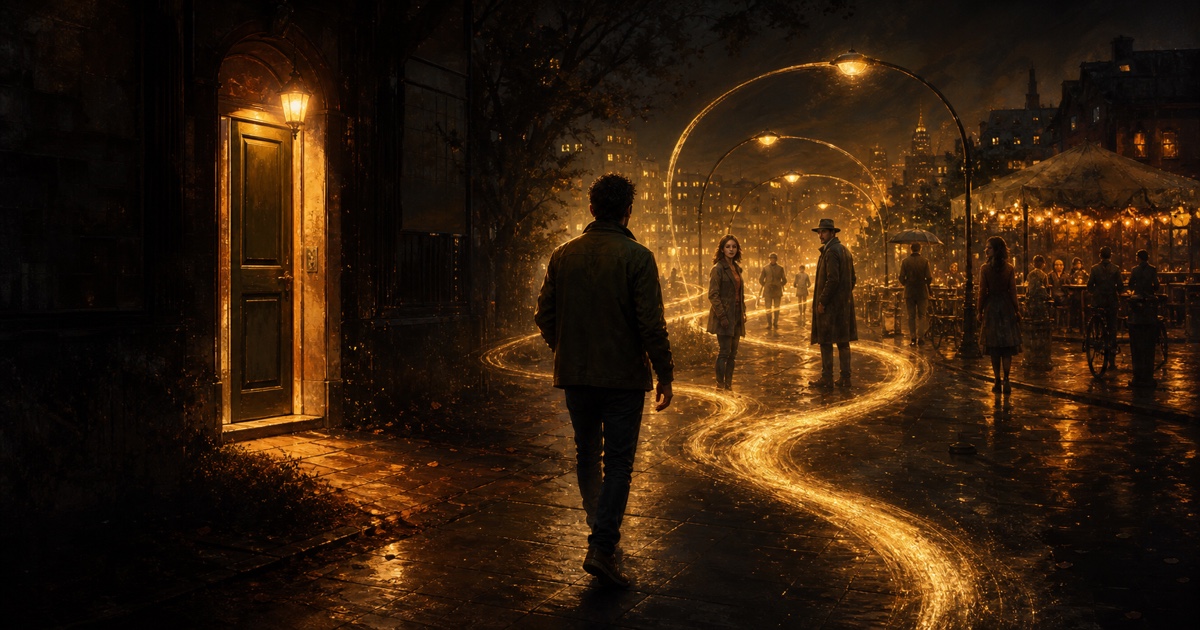
The Main Character Test
Everyone jokes about main character energy. Here is what it would take for a game to actually grant it — and why almost every game fails the test.
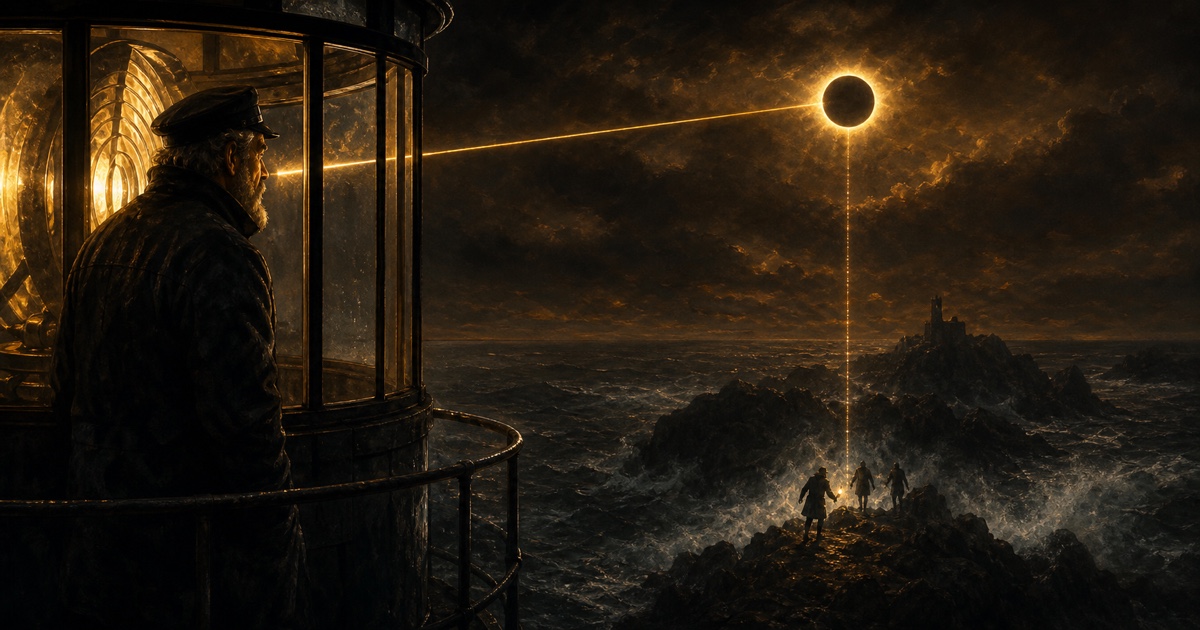
A Story Built From One Sentence
You have the premise — the lighthouse keeper, the eclipse heist. Here's what happens between the one sentence and scene one, and the game that gets you there.
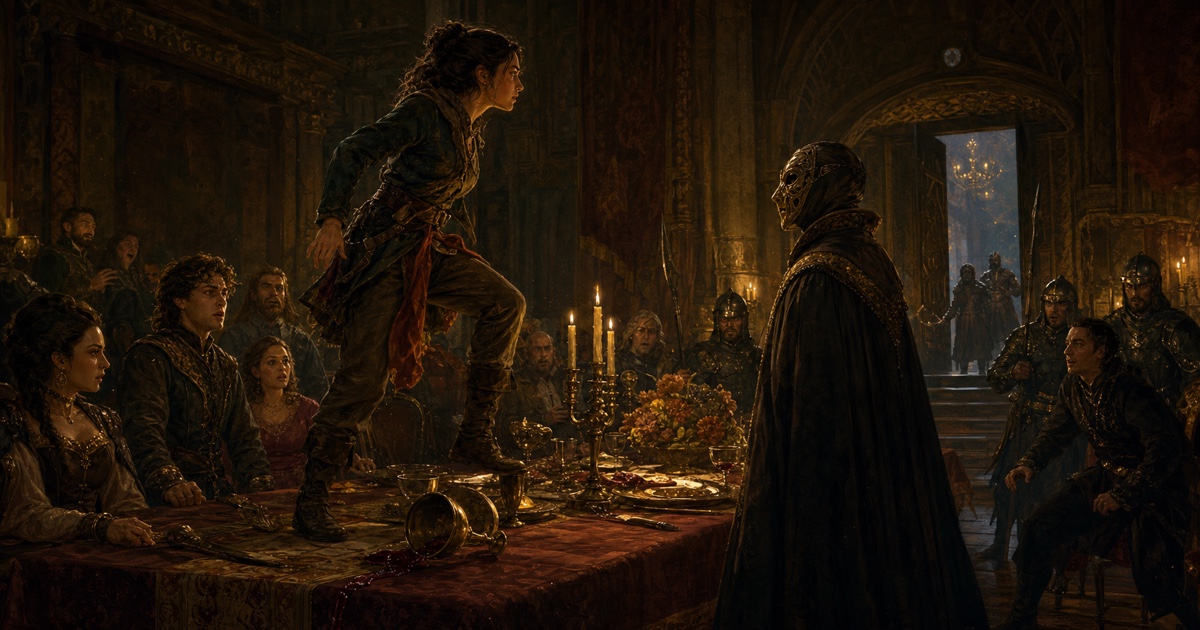
The Game That Answers Whatever You Type
"Do anything" is easy to promise. The real test is whether the world can answer anything — specifically, consistently, and with consequences.
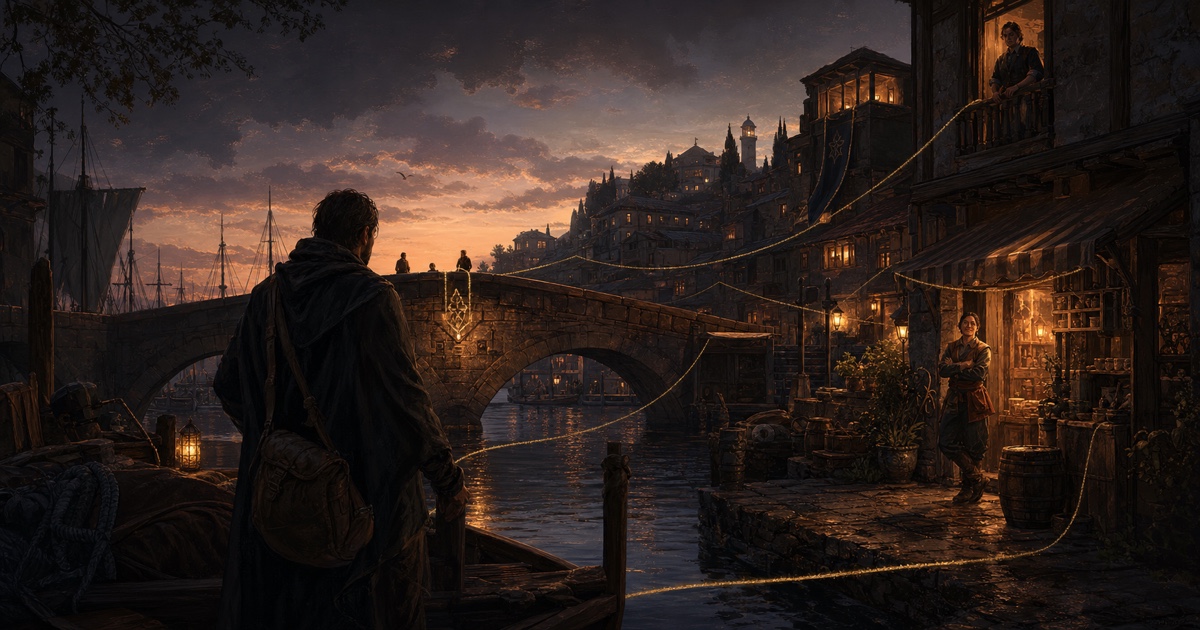
Personalized by Attention, Not by Algorithm
"Personalized" can mean profiled or it can mean known. A personalized story game is built on the second meaning — memory of what you actually did.
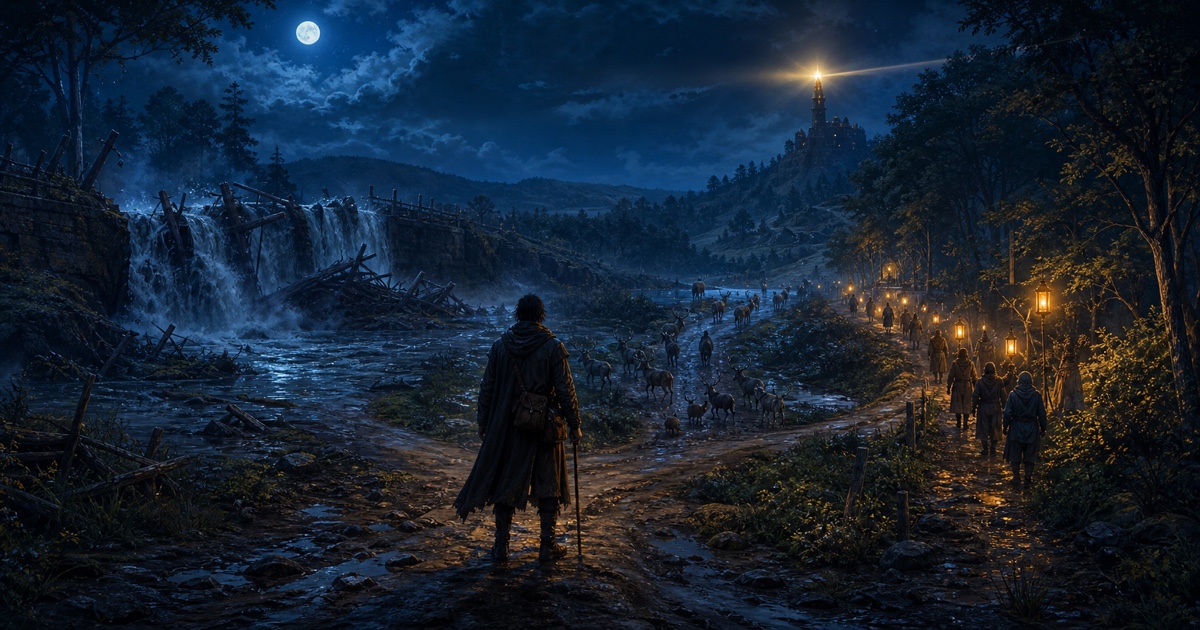
Different Every Time, on Purpose
Shuffled maps give you variety. Responsive stories give you difference. Why games that are different every time split into two species — and which one lasts.
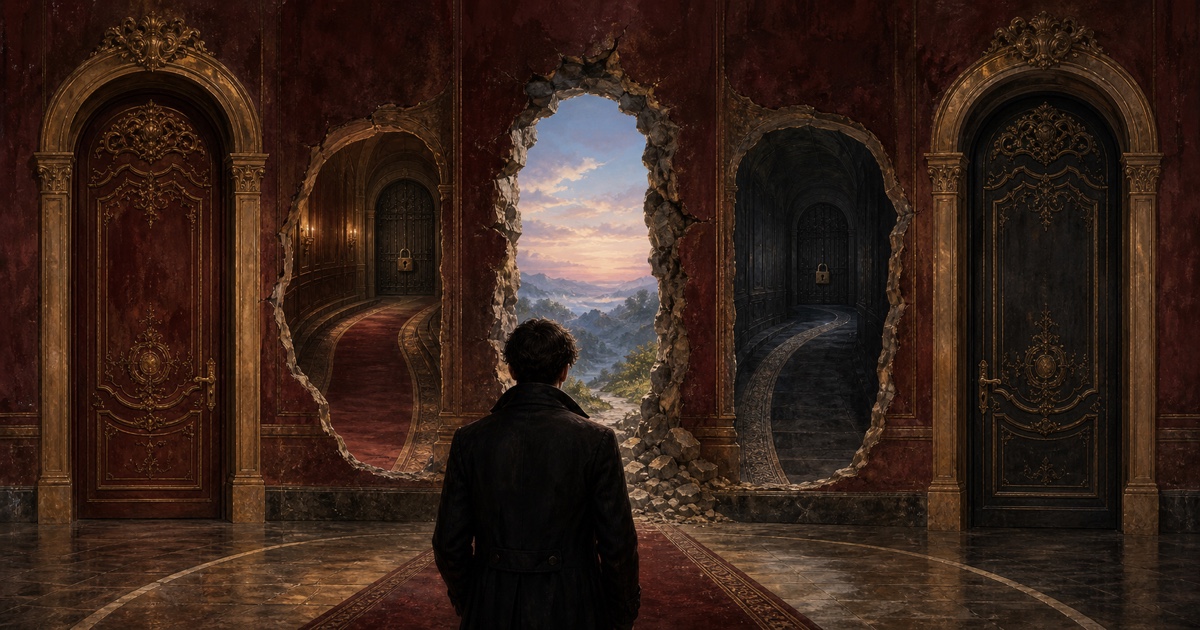
How to Spot a Fake Choice in Ten Minutes
A field guide to choice theater — the converging branch, the cosmetic flag, the delayed no — and a ten-minute test for games with meaningful choices.
The Ending Nobody Wrote in Advance
Multiple endings are inventory. An earned ending is a verdict on everything you did. Why a game with no predetermined ending feels different to finish.
The Choice That Comes Back a Month Later
You made a decision two weeks ago and logged off. In a story game that remembers your decisions, that choice is still out there, accruing interest.
A Taxonomy of Consequence
Four kinds of "it mattered" — material, social, reputational, emotional. Most games only do the first. The other three are where stories live.
Unpredictable Isn't Random
"Anything can happen" is usually a threat, not a promise. What makes a story genuinely surprising — and why randomness is the enemy of surprise.
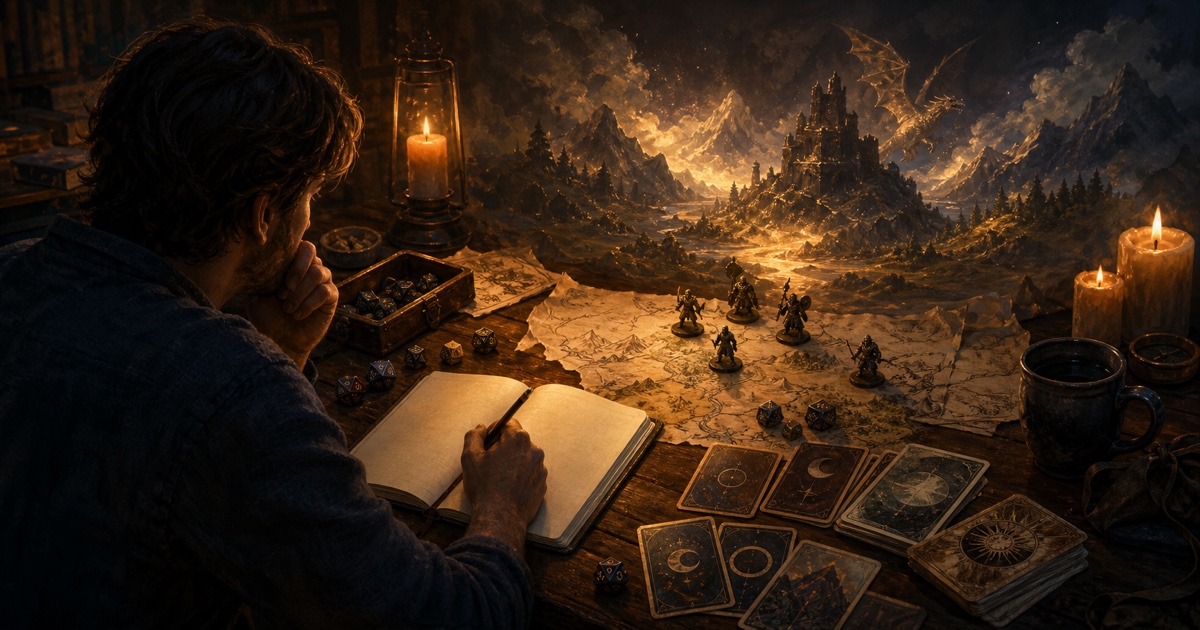
How to Play D&D Alone (Actually)
No group, no problem. An honest survey of every real way to play tabletop-style adventures solo — oracles, journaling games, solo modules, and AI story games.
When Your Group Cancels Again
The 7pm text, the sacred night, the grief that's real because the hobby is real — and what to actually do with the evening you protected.
The Dungeon Master Shortage
The binder on the shelf, the group chat gone quiet, the campaign dead at session six. Nobody volunteers to DM — and the reasons are structural, not personal.
Character Chat With an Actual Story
Talking to a character is a pleasure. Talking forever is a plateau. What character chat is missing — and where to find a conversation with a plot.
Characters With Their Own Goals
The best story worlds keep moving while your back is turned. Why a game where characters have their own goals feels like a place, not a stage.
Talk to Anyone in the Room
Most game worlds are one hero deep. The real test of a living world is whether the third villager from the left can talk about last night's fire.
An Ending Is a Gift
Endless story apps promise infinity and deliver drift. The case for a roleplaying app with an ending — and why finishing is the kinder design.
The Story That Reads You Back
You have argued with a book out loud. This is the essay for you: why reading was never passive, and what happens when the story can finally hear you.
What to Play After Finishing a Good Book
The book hangover is real grief for a world that never knew you were there. Here's what actually helps — and what to play when nothing on the shelf will do.
What to Do in a Reading Slump (Hint: It Isn't Discipline)
The standard slump advice treats reading like exercise. But a slump is an appetite problem — and appetite comes back when you care what happens next.
The Audiobook Where You Choose What Happens
Stories were spoken long before they were silent. What happens when the story being read aloud to you stops and waits to hear what you do next?
Bedtime Stories for Adults
Adults never outgrew the bedtime story. We just replaced the teller with a feed. On interactive bedtime stories, and getting the ritual back.
The Missing Shelf
Gamebooks, parser fiction, visual novels, walking sims, AI story games — a map of the shelf between the bookcase and the console, so you can find your spot.
Romance Games Where You Write the Love Story
Three replies on a menu, none of them yours. What a romance game where choices matter really promises: your words, answered and remembered.
Romantasy, Playable
Romantasy conquered the bookshelf because fantasy stakes raise romance stakes. Here is what happens when you stop reading the genre and start playing it.
Enemies to Lovers Only Works When the Enemies Have a Past
The sparring must be real, the injuries remembered, the turn earned. Why the trope collapses without memory — and what happens when you supply the barbs.
The Slow Burn You Control
In a slow-burn romance game, the restraint is yours. You could close the distance any scene — and choosing not to is the whole pleasure.
Fake Dating, Real Consequences
The fake dating trope is a lie maintained in front of witnesses who remember. Here's why it's the perfect story to play instead of read.
The Arranged Marriage Plot
Two strangers, one contract, a wedding neither wanted. Why the arranged marriage trope endures — and what changes when the terms are yours to negotiate.
Villain Romance Without the Apology Tour
The best villain romances never apologize for the villain. On competence, cost, and a code — and what happens when you negotiate the line yourself.
Grumpy Meets Sunshine
The grump's complaining and the sunshine's cheer are two dialects of the same devotion — and why the trope is even better when you can play it.
Second Chances Need a First Time
The reunion scene runs entirely on shared history. Why second chance romance only works when the first chance actually happened — and what that means in play.
Murder Mystery for One
No kit, no host, no group to schedule. What a real solo mystery requires — and the quiet luxury of investigating a case at your own pace.
Interrogate Anyone
The question you actually want to ask is never on the menu. Why real interrogation means composing your own question — and paying for the bad ones.
Cozy Mystery, Playable
Cozy mystery is a promise — no gore, no dread, a village put right. Why the gentlest shelf in crime fiction makes the best playable whodunit.
The Locked Room, Opened
The impossible crime is a magic trick the story dares you to reverse-engineer. Why the locked room is mystery's purest puzzle — and how to step inside one.
Noir Nights: A Detective Game Where the Voice Is the Case
Noir isn't a trench coat. It's a voice — and a noir detective game lets you speak in it. On playing the compromised detective in the guilty city.
The Game That Puts You Inside the Detective Novel
You solved it two chapters early and had no one to tell. There is a game like being inside a detective novel — and the chair is yours.
Horror for People Who Hate Jump Scares
A jump scare spends fear; a sentence accrues it. Why written horror cuts deeper without a single ambush — and why you set the pace of your own dread.
The Haunted House That Remembers You
A ghost is the past refusing to be done with you — so why do haunted house games forget? On memory, dread, and a house that keeps score.
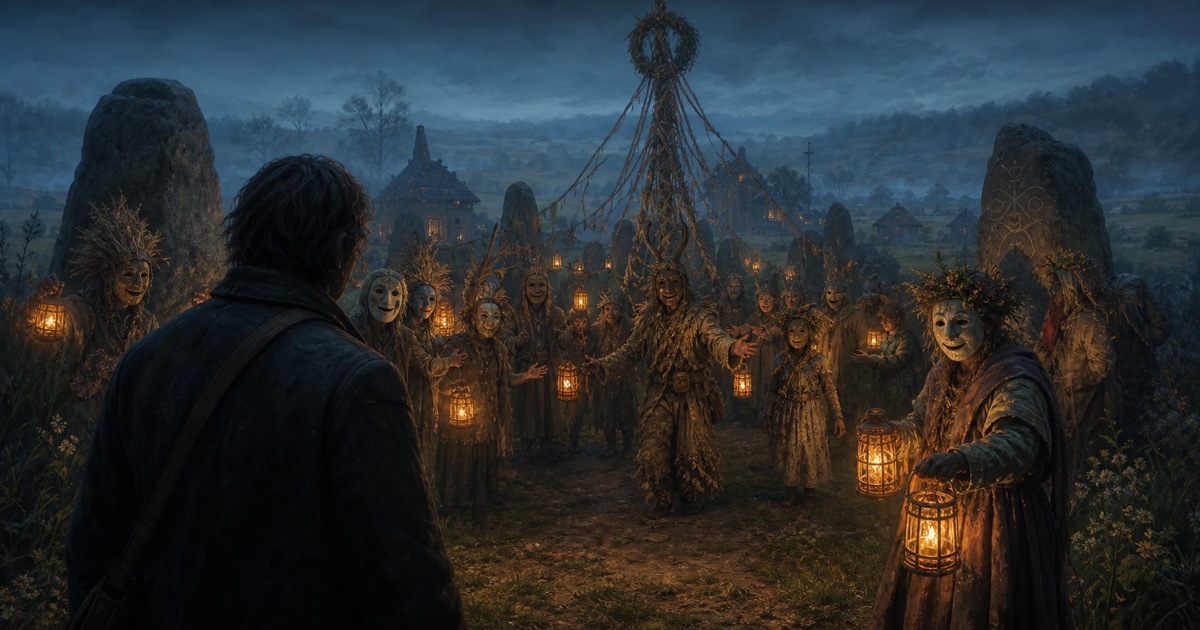
Folk Horror Games: The Village That Wants You to Stay
Folk horror's dread is social — the smiling festival, the custom nobody explains. Why the genre works best when you can talk to the villagers yourself.
Survival, One Decision at a Time
Survival fiction was never about reflexes. It's triage — what you burn, what you carry, who you trust — and every choice tells you who you are.
Campfire Stories, Grown Up
The campfire teller was the original interactive horror engine. What comes back when a scary story can hear you again — told aloud, in the dark, at your pace.
The Horror of Being Believed
Horror runs on ignored warnings. Take that crutch away — a world that believes you and acts on your word — and the fear becomes yours to carry.
Cozy Fantasy You Can Live In
Cozy fantasy isn't fantasy with the craft removed — it's a promise about stakes. What the genre offers, and what it means to actually live inside one.
The Game Where You Run a Tavern Was Never About the Coins
The most beloved daydream in fantasy is not the throne — it's the tavern. What the innkeeper fantasy actually contains, and how to play it as a story.
Play the Villainess
The doomed rival became the best seat in the house. Where the villainess genre came from, why it works, and how to play her when the script can bend.
Reincarnated in Another World: Why We Keep Waking Up Somewhere Else
Isekai is the oldest reader wish written plainly: leave this world for one where you matter. Here is where the wave came from — and how to step inside it.
Magic School, Your Way
The school-of-magic story is older than any franchise. Here is why the first day of term keeps working — and what an academy of your own could be.
Claim the Throne
The crown is won in corridors, not battles. Why the best game where you can claim a throne is a game of memory, debts, marriages, and timing.
Be the Villain: A Game Where You Author the Antagonist
Playing the villain isn't about cruelty applauded. It's about a world that honestly resists you — and finding the line you won't cross.
The Fae Court Bargain: Why Fae Romance Belongs in a Game You Play by Speaking
Fae rules — exact words, debts, true names — are consequence machinery in glamour. Why a fae romance game works best when you play by saying things.
Portal Fantasy for Grown-Ups
The wardrobe was always a wish about being needed elsewhere. What happens to the portal when the person stepping through has a mortgage and a history?
Captain Your Own Starship
The captain fantasy isn't about the ship. It's about the chair — three officers, three incompatible recommendations, and a call only you can make.
The Time Loop You Can Break
The day resets. Your knowledge doesn't. Why the time loop is the most seductive premise in interactive fiction — and how to play one that finally ends.
Live in Another Century
History tells you what happened. A game that lets you live in another time period asks what you would have done — and that question changes everything.
The Regency Era Was Already a Game
Dance cards, calling hours, chaperones, the funds — how the London season worked as a system, and what it means to play it as a Regency era game.
The Samurai's Choice
Duty against feeling is the engine of samurai drama. What a samurai story game needs to get right — and what it feels like when the impossible order is yours.
Rome, From the Inside
Patronage, honor, spectacle: why ancient Rome is the most gameable society in history — and how to play a day of it, from the morning queue to the arena.
The Masquerade in Venice
Carnival Venice made anonymity an institution. What a mask does to a conversation — and why the masquerade is the perfect engine for one night of intrigue.
Golden Age of Piracy, Minus the Rulebook
Pirate crews signed their own rules, elected their captains, and voted on everything. The pirate fantasy was always a politics fantasy. Here's how to live it.
Something Better Than Scrolling
The feed is a beginning, over and over. An honest anatomy of the 11pm scroll — and the case that what you actually want is for something to happen to you.
Twenty Minutes, One Story
The found twenty minutes deserves better than a vending machine. What a short break actually wants — and the kind of story that respects it.
Games for People Who Don't Play Games
There is no gamer gene — the barrier was controls. The best games for people who don't usually play games ask you to type a sentence.
Rainy Night, Phone in Hand
What makes a game relaxing isn't simplicity — it's safety of attention. On finding games that match a rainy evening instead of interrupting it.
The Commute Story
Your commute is the most reliable 25 minutes you own. The best games to play while commuting make it part of an unfolding story — and pick up where you left off.
Movie Night, Except Everyone Is In It
Watching together is parallel solitude with snacks. Here is what an interactive movie night with friends looks like — everyone a character, nobody the operator.
Long-Distance Game Night
Catch-up calls run out of report. The best creative online games for long-distance friends make something happen — to both of you, this week.
The Book Club That Plays
Your book club already argues about what the characters should have done. Once a season, play a story together and put those arguments to the test.
A Story for Two
Story games for couples make you co-protagonists in one fiction — a date night you went somewhere, together, instead of watching something side by side.
Play Through Your Own Story Idea
You built the world. You named the cities. Now walk in. What it means to finally play through your own story idea instead of just keeping its notebook.
Is There a Game Where You Can Type Anything?
Yes — they're called AI story games. What typing "anything" really asks of a game, what happens when you type the impossible, and where the promise holds.
Can I Play Something Like D&D by Myself?
Yes — four real ways: oracle systems, journaling games, solo modules, and AI story games. What each one feels like, and which fits which mood.
What Should I Play If I Love Books but Not Video Games?
A reader's answer to a reader's question: the shelf of play that lives between books and games, and which part of it fits the kind of reader you are.
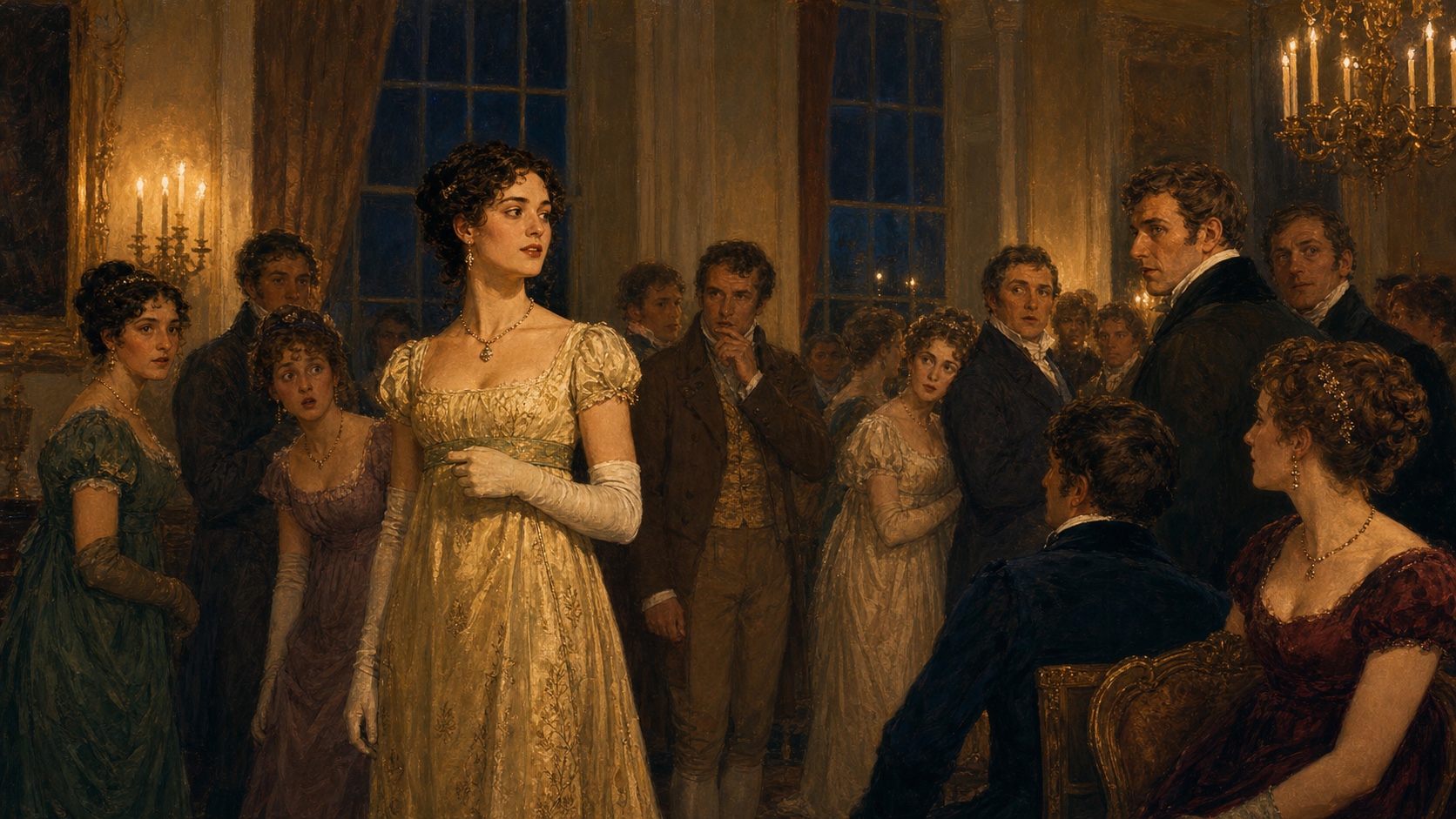
What If Elizabeth Bennet Could Say Anything?
Pride and Prejudice already runs on choices, memory, and consequence. Let Elizabeth say anything, and the real question is whether her world can make it matter.

The Fixed Map and the Story That Answers Back
Traditional interactive stories give you a beautifully authored map. A responsive story must answer the choice no one placed on it—and still make that choice matter later.
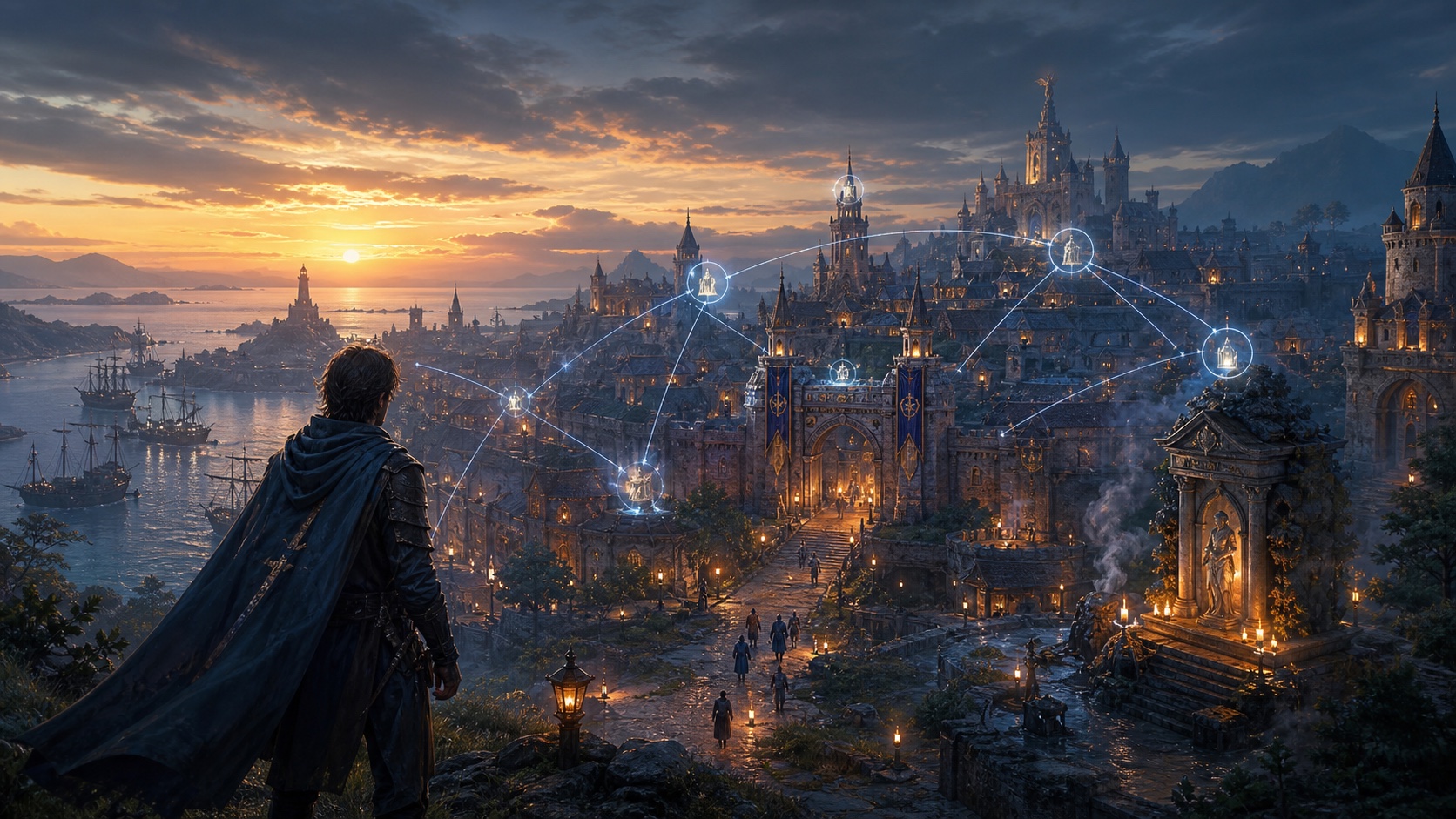
Persistent Memory in AI Story Games
Persistent memory turns disconnected scenes into living history: people remember you, places carry scars, and choices keep producing consequences.
AI Dungeon Alternative Where the Story Remembers You
AI Dungeon opened the door to stories where you can type anything. Here is how five very different options handle memory, player control, setup, and stories that reach an ending.